

Dear Friends,
I’m sharing a post thinking through technology and performance. At The Republic of Letters, the ever-amusing Alice thinks through the intricacies of writing about sex.
Best,
Sam
PERFORMANCE AS CONTINUOUS LOOP
I can’t remember what I was doing exactly — either I was thinking about upping my output on this platform or I was on a podcast where both of us knew that it was unlikely anybody would actually listen and decided to press ‘record’ anyway — but I had almost exactly the sort of feeling that I’m pretty sure a dog does when it wanders out of its yard and gets zapped by the electric collar.
What was the feeling exactly? It was of moving out of the domain of what I — or my generation or any generation that has preceded us — would consider ‘performance’ and into something closer to a ‘continuous loop.’
A performance is built around the following ideas:
-There’s a scarcity of resources — e.g. a stage, or a spot on galley wall — that only a limited number of people have access to for a limited period of time.
-There’s a gathering of spectators who mute themselves for the duration of the performance — i.e. they hand the spotlight over to whoever is ‘performing.’
-There’s an expectation that the performer is passing on a compressed piece of high-quality work — whether that’s unusually funny or unusually wise or just interesting in some way and is a cut above normal social interaction.
-There’s a clear barrier between the world of the performance and the outside world — this is often carried out with a great deal of pageantry, the curtain rising, the orchestra tuning up, the audience applauding, the actors bowing, etc — and what it signifies is that the rules of ethics and, as it were, laws of gravity are different within the realm of the performance than they are outside: hearts can be broken, kings stabbed, murderers applauded, and nobody (well, almost) thinks to call a doctor or a cop.
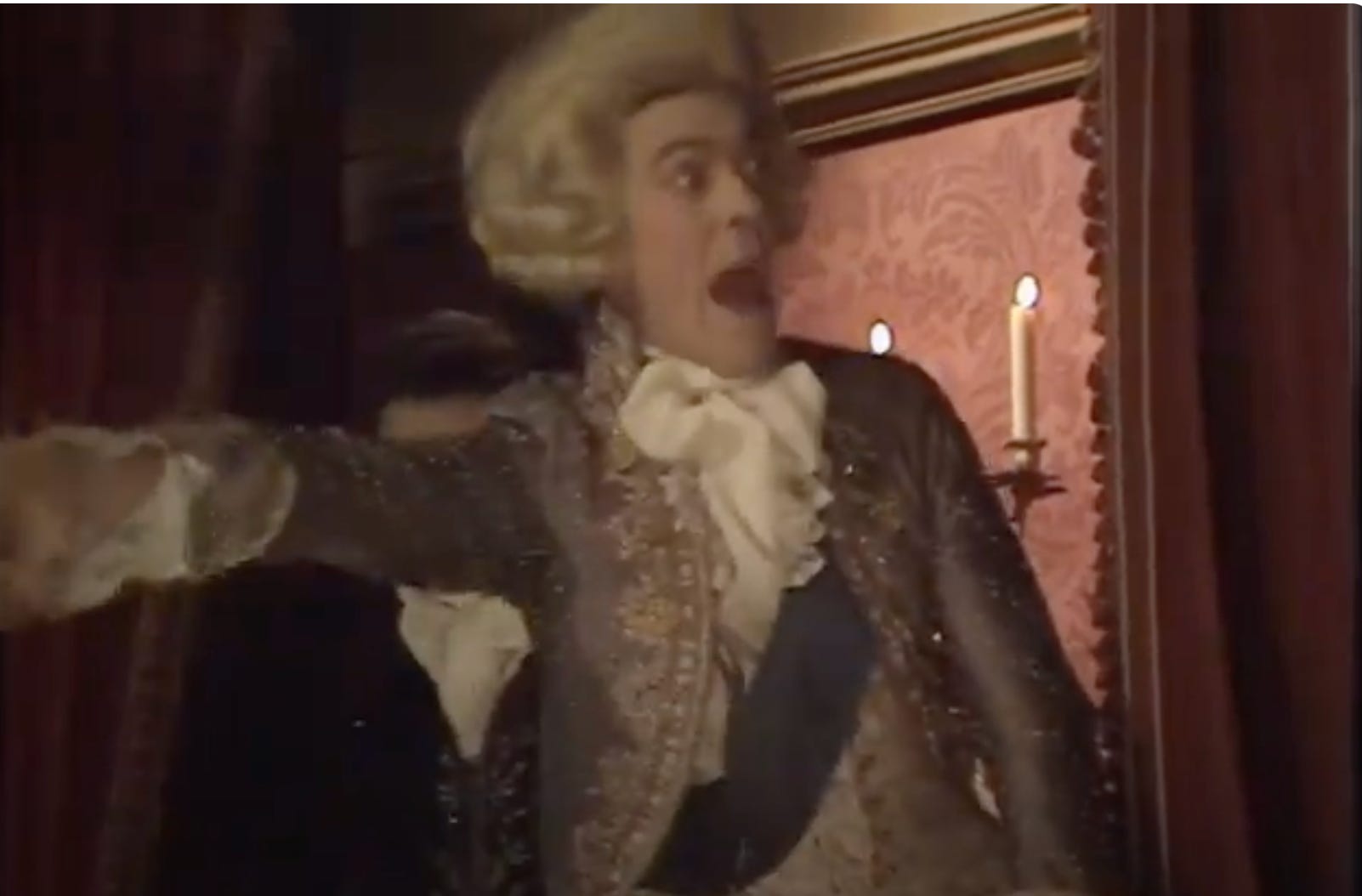
But all of that is built around the scarcity of resources of a performance. When pixels, and the feed, become infinite, there is nothing really to stop somebody from ‘performing’ all the time. The natural barrier there would of course be lack of interest, and boredom of the audience — the way that, when the trains stop running for the day, the buskers pick up their hats and go home — but that actually doesn’t really apply on the internet when crowds are popping in at all times and from all over and when anybody with a sufficient ‘following’ can always be assured of an audience. I thought about this and that seemed to explain the core difference between myself and anybody born, like, two minutes after me — their absolute ease in streaming, twitching, vlogging, or whatever the hell they do, but, basically, communicating not just with friends but with a public in a kind of continuous loop without clear start-or-stop points and without necessarily a structure to the performance.
To anybody born in pre-digital nativity, stepping online means, basically, stepping into a public. The feeling is the same sort of trepidation we might have walking up to the stage on open mic night, and there is a certain restraint built into it — once we have said what we have to say, which tends to be carefully calibrated and planned in advance, then we back away and yield ‘the floor’ to someone else. For digital natives, none of that need necessarily prevail. They’re chatting with each other all the time on digital space, so there’s just a simple expansion of the forum in including a wider audience i.e. a public. There may certainly be a degree of shyness in addressing more people, but it doesn’t necessarily have the feeling of stepping over a ‘threshold’ and into performance — it can simply feel like a larger conversation.
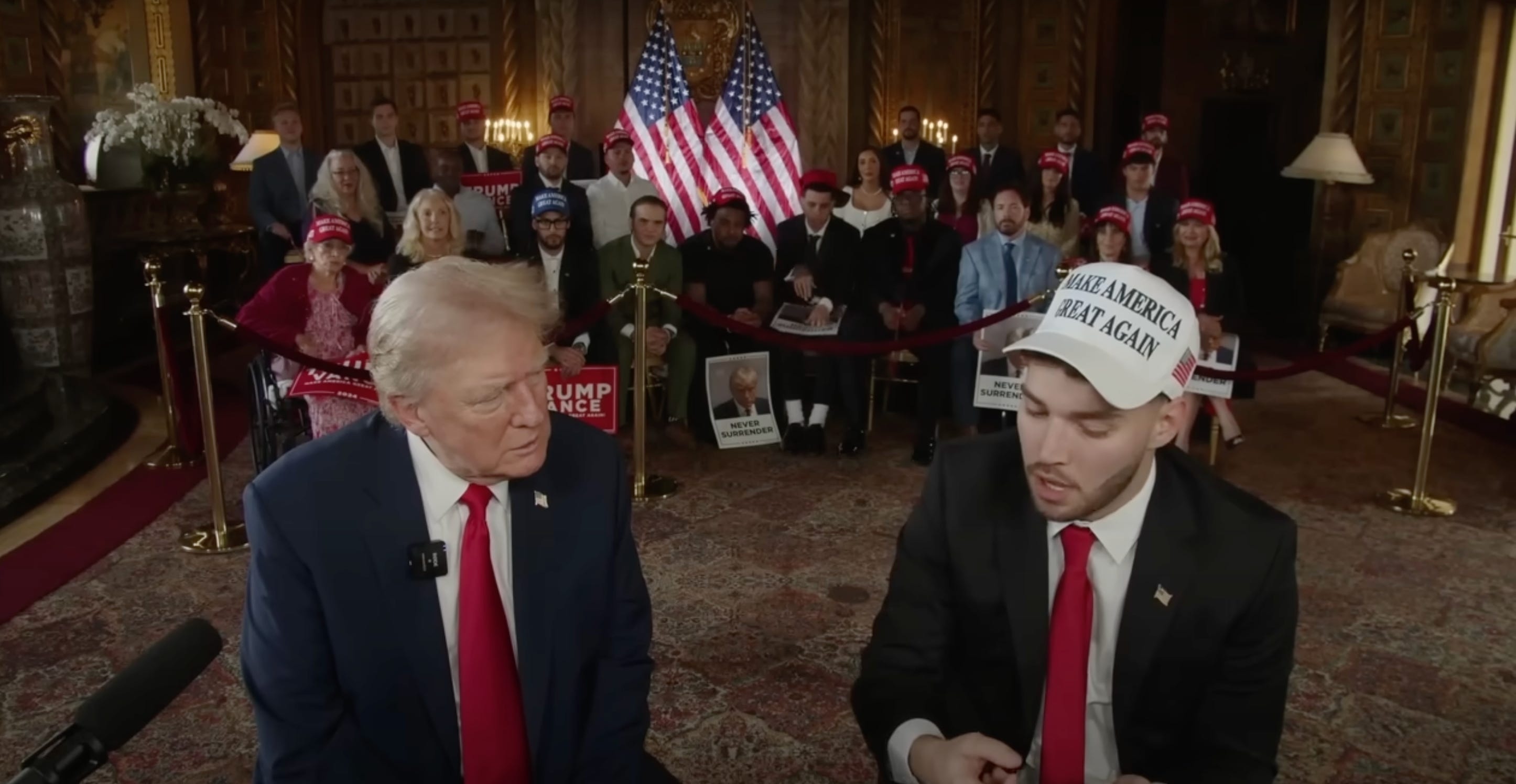
I’m not saying that one way is better than another, just that the vehicles of communication have shifted and, with that, there are new ideas of what performance entails.
To me, this feels like a dramatic division, a line between everything that came before and what’s happening now, but if I try to think about it analytically, I start to appreciate that what feels natural to me is more of a construct built around a specific mode of technology. At other times, in other parts of the world, there is a sense of performance as more of a continuous loop. Oral storytellers can recite their epics for days. I’ve seen musicians play all night as part of a religious ritual. Medieval actors wandered from town to town, performing on a kind of low boil as they gathered an audience. I remember seeing a play in India where, as the action started on stage, the conversation in the audience only very slightly diminished. Shakespearean plays — as English tour guides never tire of reminding us — were performed as part of a kind of free-floating entertainment district, which is why Shakespeare always tended to give exposition a scene or two into a play after the latecomers had more or less settled in.
The smartest man I know claims that the sharply-demarcated performance space was largely the creation of Richard Wagner at Bayreuth. That came to involve turning the lights down, beginning the event with a great deal of pageantry, producing a sense of mesmerism. And that’s what Western performance has been from that day to this — the audience dead quiet, the theater as a kind of liminal space in which the subconscious is free to roam — but it’s not necessarily how performances have to be constructed.
With the internet, and the breakdown of the one-way traffic of the I-talk-you-listen broadcast era, the very nature of performance starts to change. It becomes much easier for performers to be in loop, for the audience to come and go, for the ‘show’ to be much more of a conversation, much more integrated into life. This isn’t to praise or condemn, just to analyze the structure of something that is happening all around us.
The problem with this, at least to my POV is that increasingly a lot of what is out there is not worth my full attention because as you note it’s not even DESIGNED to get my full attention. And I’m the kind of person who loves to be fully immersed in one thing at a time whether it’s a conversation or a piece of music or a slice of cake. But that’s just a preference I suppose.
I feel like there's a concurrent change in which creative output, which used to come in clearly defined forms -- "Novel," "Film," "Essay," "Article," "Song," etc. -- and as a (more or less) distinct entity from whoever created it, is increasingly getting delivered to its audience in a hybrid form in which the creator's persona is tangled up in and presented as part of the work.
Obviously, that's the whole basis for the influencer economy -- a big chunk of YouTube is just creators selling their personality to an audience, and a lot of podcasts are unimaginable without that kind of personalization -- but it's also bled into writing now with Substack.
Some of this seems like the result of new technologies giving rise to new forms of creative expression, and some of it seems like the result of business models changing. Twenty years ago, if you were a professional essayist, you had to find some periodical to pay you to write a column. Now you're a sole proprietor, and your income comes from subscriptions. So you're selling yourself as much as you're selling your essays. Meanwhile, the business models for the old, clearly defined structures are starting to disintegrate.
I liked the old way better, but I don't think it's coming back.